
Aloe vera has been used for thousands of years in traditional medicine, and modern research is now validating many of those ancient uses for skin health. Here are five science-backed benefits worth knowing about.
Aloe vera gel is approximately 99% water, but it also contains mucopolysaccharides, complex sugar molecules that help bind moisture to skin cells. Unlike heavy creams, aloe absorbs quickly and creates a breathable layer that keeps skin hydrated without the greasy residue.
A clinical study published in Skin Pharmacology and Physiology found that aloe vera significantly improved skin moisture and elasticity in participants after 90 days of use.
Aloe vera contains several compounds with anti-inflammatory properties, including acemannan, anthraquinones, and enzymes like bradykininase. These work together to reduce redness and discomfort on irritated skin.
The International Aloe Science Council (IASC), the independent body that certifies aloe vera quality, recognizes acemannan as one of the key bioactive components responsible for aloe’s soothing effects.
Aloe vera naturally contains vitamins C and E, both well-established antioxidants. These help protect skin cells from oxidative stress caused by UV exposure, pollution, and other environmental factors.
Antioxidants are considered important for long-term skin health because they help neutralize free radicals, unstable molecules that can damage cell structure over time.
A healthy skin barrier is essential for keeping irritants out and moisture in. Aloe vera’s natural pH (around 4.5) is close to that of human skin, meaning it works in harmony with your skin’s natural balance rather than disrupting it.
This makes it a gentle option for people with sensitive or reactive skin who may not tolerate synthetic formulations well.
An interesting study published in the Annals of Dermatology found that oral aloe vera supplementation was associated with improved skin elasticity in women over 40, suggesting that aloe’s benefits extend beyond topical use.
This points to the potential value of consuming high-quality aloe vera drinks as part of a broader skin health routine.
Quality matters enormously with aloe vera. Look for IASC-certified products made from the inner leaf, where the highest concentration of beneficial compounds is found. Avoid products that list “aloe vera extract” far down the ingredient list, as these may contain minimal amounts of actual aloe.
Forever Living’s skincare line is built on IASC-certified, 99.7% pure inner-leaf aloe vera. If you’re exploring aloe-based skincare, our Forever Living Skincare Guide gives a detailed breakdown of each product.
A comprehensive review in the Indian Journal of Dermatology (2008) identified the key active compounds: acemannan (barrier repair and anti-inflammatory), aloin (UV-protective), vitamins C and E (antioxidant), and zinc (wound healing). Specific studies of note:
For detailed skincare routines: aloe vera gel for face, a complete guide (Forever Living Kozmetika) and skin hydration with aloe vera.
Can I use aloe vera on my face every day?
Yes, pure aloe vera gel is safe for daily facial use and suitable for all skin types. It is non-comedogenic and does not disrupt the skin’s natural pH.
How long before I see skin improvements from aloe vera?
Topical improvements (hydration, redness reduction) are visible within days. Structural improvements from consistent use take 6-12 weeks.
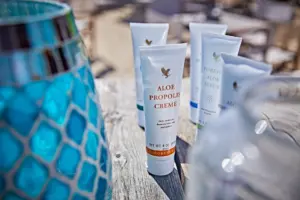
For a topical product that harnesses aloe vera’s skin benefits alongside complementary actives, Aloe Propolis Creme is worth highlighting. It combines stabilized aloe vera gel with bee propolis, a natural compound with well-documented antimicrobial and anti-inflammatory properties, along with chamomile and carrot oil to support skin tone and barrier function.
According to a review in the Journal of Drugs in Dermatology, topical preparations combining aloe vera with additional bioactive ingredients show enhanced efficacy for barrier repair compared to aloe alone. The bee propolis in Aloe Propolis Creme adds a layer of antimicrobial protection that makes it particularly useful for reactive or blemish-prone skin. It’s also fragrance-free, which matters for anyone managing sensitivity.
For skin that’s been exposed to sun, wind, or dryness, the Aloe First Spray offers a lightweight aloe and propolis mist you can apply over skin or minor irritations throughout the day, a convenient format that delivers the same core benefits in seconds.
Aloe vera’s reputation in skin care is backed by a growing body of clinical evidence, not just tradition. From wound healing and sun damage to hydration and anti-aging, the mechanisms are real and well-documented. The key is using preparations that contain a meaningful concentration of stabilized aloe vera, since processing can degrade its active compounds.
Whether you choose a topical cream, a soothing spray, or a drinkable gel to support skin from the inside, consistency is what makes the difference. Aloe works best when it becomes part of a regular routine rather than an occasional treatment.
* These statements have not been evaluated by the Food and Drug Administration. This product is not intended to diagnose, treat, cure, or prevent any disease.